Zinc Alloy Die
Casting
Overview
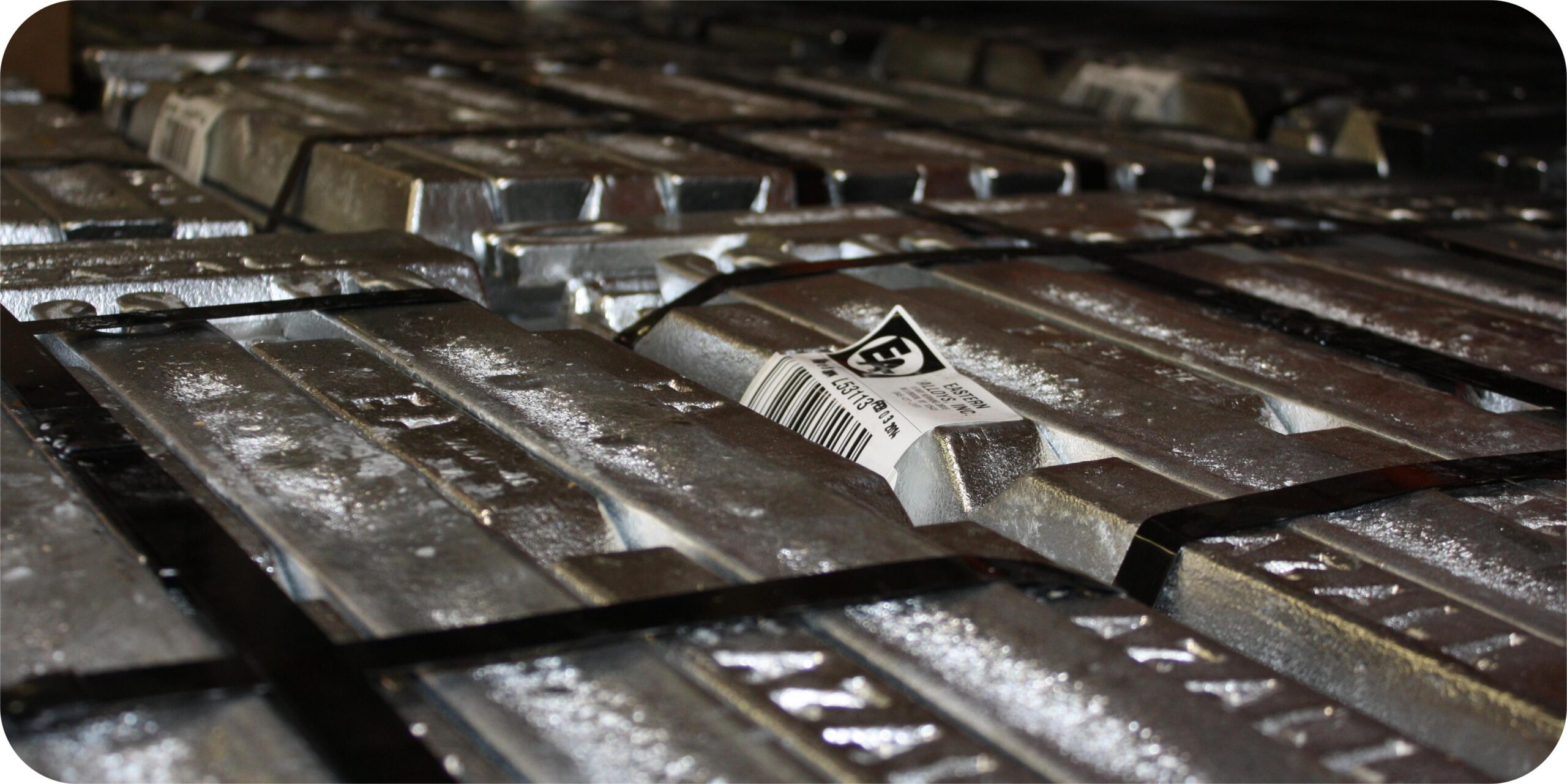
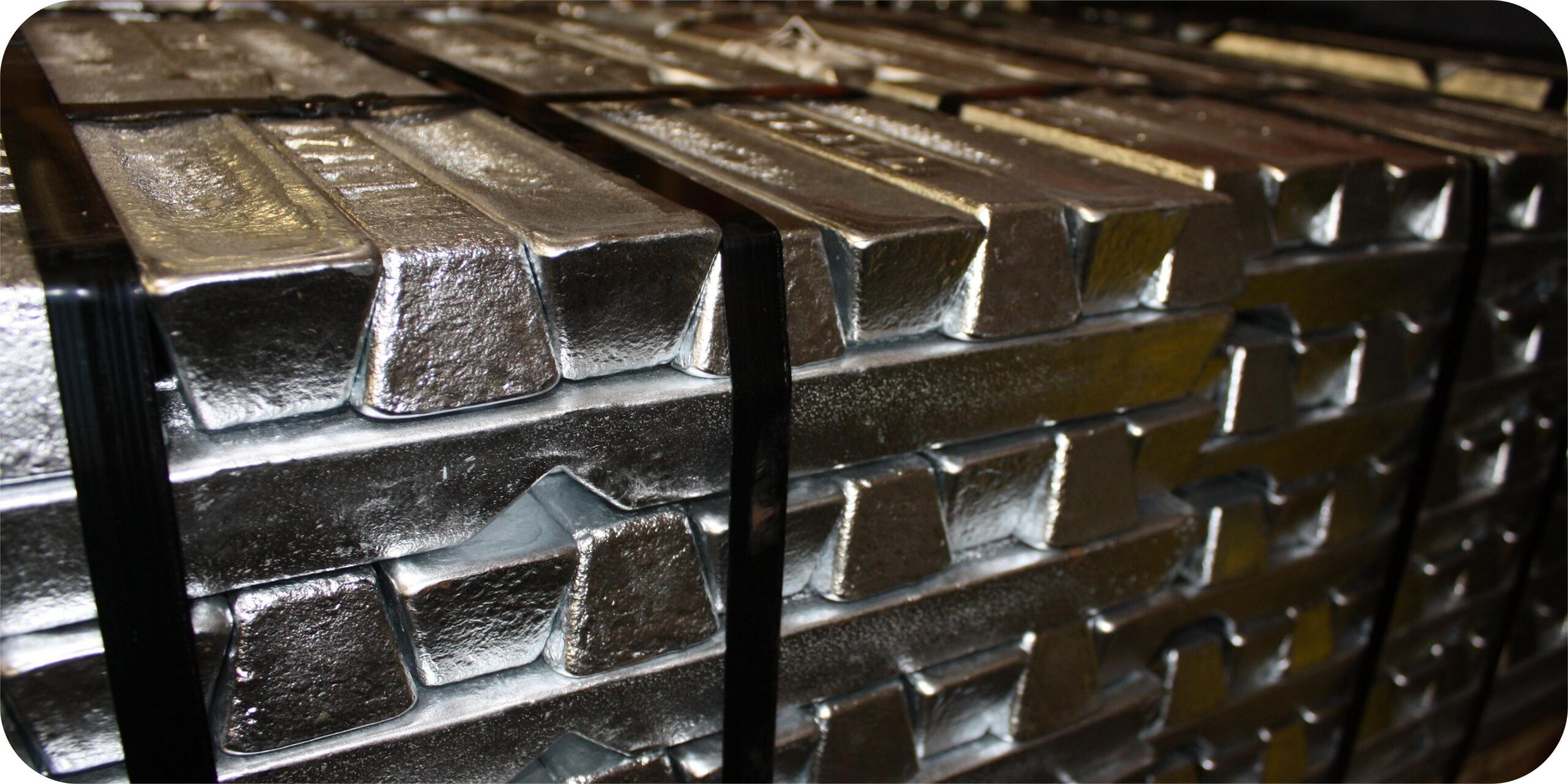
Miniature Casting Corporation has maintained an outstanding business relationship with the prime metal supplier in the industry. Eastern Alloys manufactures the complete range of zinc die casting alloys. ZAMAK alloys were first developed during the 1920’s by The New Jersey Zinc Company. The name ZAMAK draws upon the basic metallurgy of the alloy group: Z-Zinc, A-Aluminum, MA-Magnesium, and K-Kupfer (German for Copper). In the United States, ZAMAK 3 is the most common alloy for hot chamber die casting. With a combination of superior mechanical properties and low melting/manufacturing costs, it fulfills the needs for most die casting applications. Other ZAMAK alloys include ZAMAK 2, ZAMAK 5, and ZAMAK 7. Common to each alloy is a consistent Aluminum content range, however, the alloys differ in specification by varying amounts of copper, magnesium, and nickel – resulting in different mechanical and physical properties.
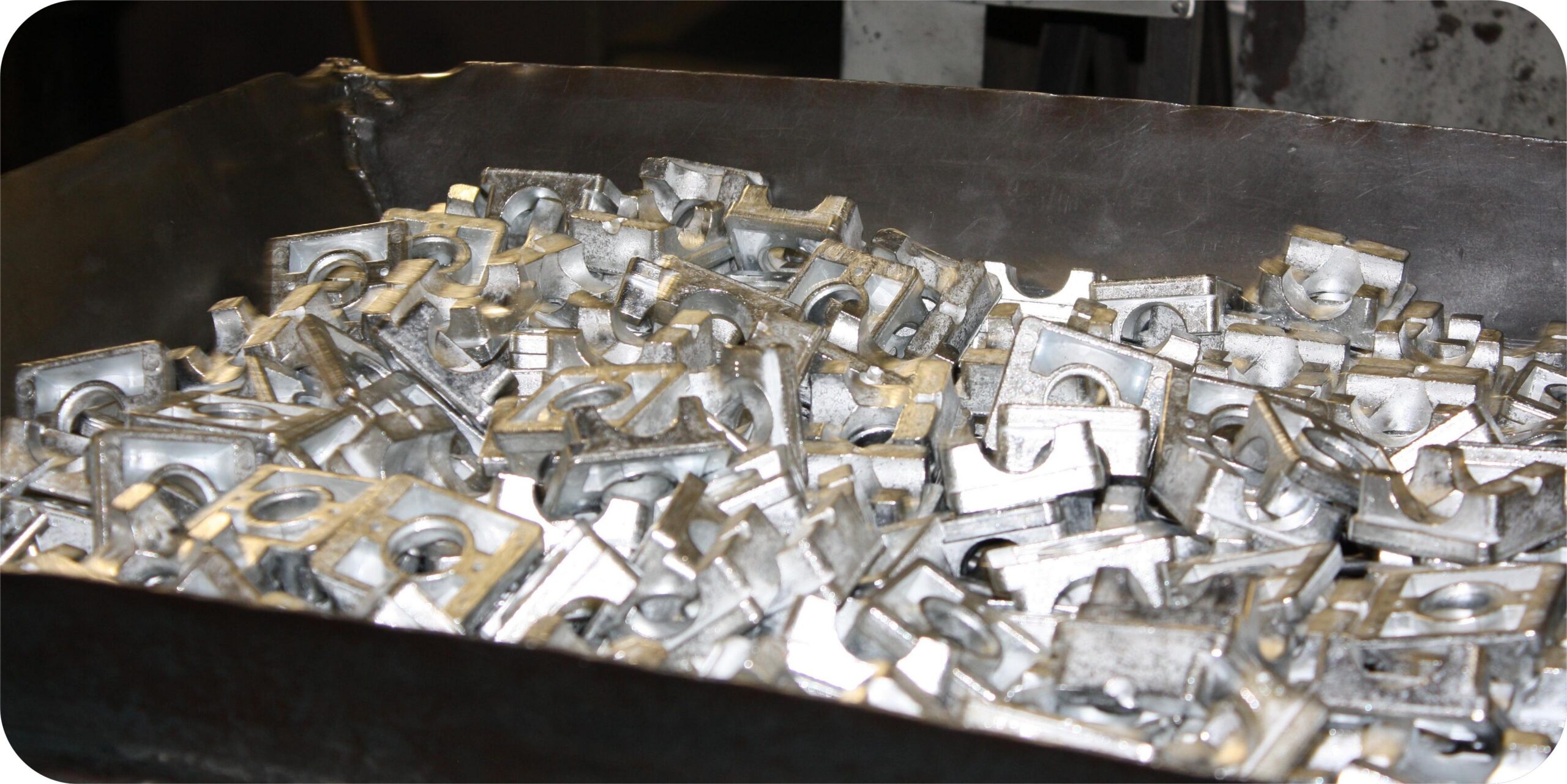
The process of casting these zinc die casting alloys utilizes a hydraulic press that allows metal to be injected into a cavity at extremely high pressures. The term “HOT” (as in HOT chamber) refers to the fact the metal pump (gooseneck) is immersed in the hot metal. In COLD chamber die casting, the metal is ladled into a holding sleeve until a plunger forces the metal into the cavity. These processes are designed for high volume applications, and are cast at “net-shaped” precision. Miniature Casting exclusively runs HOT chamber equipment.
Alloy Descriptions
Zamak 3
No. 3 alloy is usually the first choice when considering zinc for die casting. Its excellent balance of desirable physical and mechanical properties, superb castability and long term dimensional stability are the reasons why over 70% of all zinc die castings are made from this alloy. It is therefore the most widely available from die casting sources. Zamak 3 also offers excellent finishing characteristics for plating, painting and chromate treatments. It is the “standard” by which other zinc alloys are rated in terms of die casting.
Zamak 5
No. 5 alloy castings are marginally stronger and harder than No. 3. However, these improvements are tempered with a reduction in ductility which can affect formability during secondary bending, riveting, swaging or crimping operations. No. 5 contains an addition of 1% copper which accounts for these property changes. The alloy is widely die cast in Europe and does exhibit excellent castability characteristics, as well as, improved creep performance over No. 3. Because of No. 3’s wide availability, material specifiers often strengthen components by design modifications instead of using No. 5. However, when an extra measure of tensile performance is needed, No. 5 alloy castings are recommended. The alloy is readily plated, finished and machined, comparable to No. 3 alloy.
Zamak 7
No. 7 alloy is a modification of #3 alloy in which lower magnesium content is specified in order to increase the fluidity. To avoid problems with intergranular corrosion lower levels of impurities are called for and a small quantity of nickel is specified. Alloy #7 has slightly better ductility than #3 with other properties remaining at the same level. The alloy is therefore popular for those special cases where the die caster is making thin walled components requiring a good surface finish. However, research testing has shown that metal and die temperatures have a bigger effect than changing alloys. Close attention to control of the die casting process parameters is important so as to eliminate defects and achieve consistent quality.